 FOREXSNIPER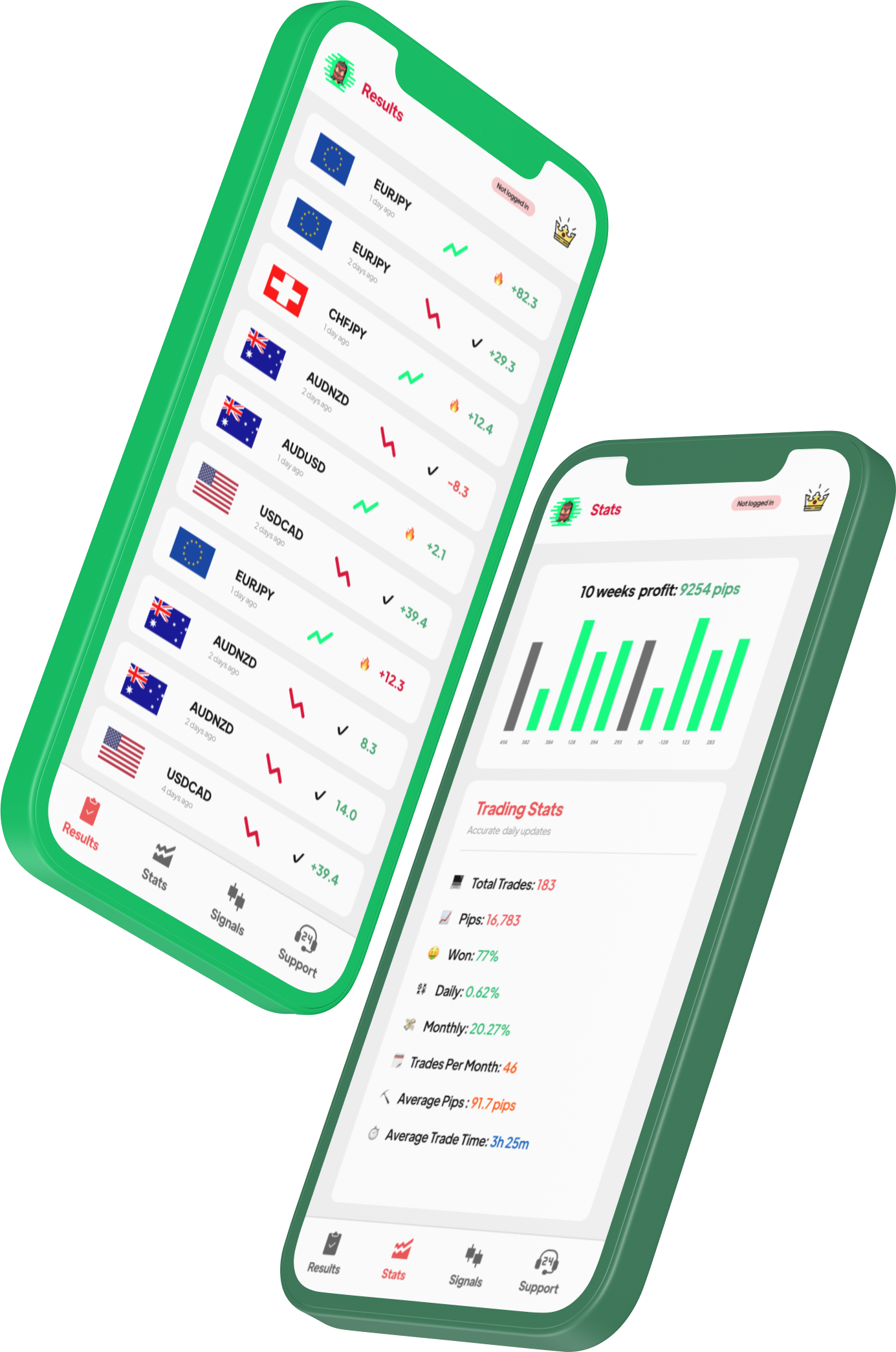
Forex prices are primarily driven by US real yields, the US dollar, inflation expectations, central bank demand, geopolitical risk, and ETF flows. Of these, real yields — the nominal interest rate minus inflation — are the single most reliable and consistent driver over multi-month timeframes. ForexSniper's automated signals monitor all six factors in real time, firing alerts when the combination creates high-probability entry opportunities.
The 6 forces that move forex.
US Real Yields
Real yield = nominal interest rate minus inflation. Negative real yields (inflation > rates) are the most bullish condition for forex — holding cash loses purchasing power, making forex attractive. Positive and rising real yields are bearish. Watch: US 10-year TIPS yield on Bloomberg or TradingView.
US Dollar Strength
Forex is priced globally in USD. A stronger dollar makes forex more expensive in other currencies, reducing international demand. A weaker dollar does the opposite. DXY (Dollar Index) and forex have a -0.7 to -0.8 correlation over 12-month periods. This is the fastest-acting driver for intraday moves.
Central Bank Demand
Central banks globally purchased 1,000+ tonnes of forex annually in 2023–2025. China, India, Poland, Turkey, and Gulf states are diversifying reserves away from US Treasuries. This structural buying sets a demand floor — every significant pullback is absorbed by CB purchases, preventing deep corrections even during rate-hiking cycles.
Geopolitical Risk
War, sanctions, diplomatic breakdown, and nuclear threats trigger safe-haven flows into forex. Unlike dollar safe-haven flows (which occur during deflationary crises), geopolitical risk drives both forex AND the dollar higher simultaneously. These moves can be violent ($20–$60 in hours) but often partially reverse once the event is priced in.
Inflation Expectations
Markets price forex partly as an inflation hedge. CPI, PPI, and PCE data releases move forex — but only when they deviate from consensus. A CPI print above consensus = forex rallies (more inflation → lower real yields → bullish). A below-consensus CPI = forex sells off. The Fed's reaction to inflation matters more than inflation itself.
ETF Flows & Positioning
Forex ETFs (forex ETFs, SPDR) hold spot forex. When they buy, forex price rises. Weekly ETF inflow/outflow data (published Thursday) indicates institutional sentiment. COT (Commitment of Traders) reports show speculative positioning in forex futures. Extreme long positioning = contrarian warning. Extreme short positioning = potential squeeze higher.
When drivers align or conflict.
Understanding each driver individually is only half the analysis. The most powerful (and trappable) forex moves happen when multiple drivers align in the same direction — or when they conflict.
Falling real yields + weakening dollar + rising inflation + geopolitical tension + central bank buying + ETF inflows. When 4 or more of these align, forex typically makes a sustained multi-week or multi-month move higher. 2020 (COVID) and 2024–2026 (tariff uncertainty + rate cuts) are examples.
Rising real yields + strengthening dollar + falling inflation + no geopolitical risk + CB sales + ETF outflows. This constellation rarely persists for long because central banks typically step in to absorb forex at lower prices, but short-term corrections of 10–20% are possible. The 2013 "Taper Tantrum" was the last time this fully aligned.
Rising rates (bearish) + geopolitical fear (bullish) + weak dollar (bullish). When drivers conflict, forex oscillates in a range and produces false breakouts. This is when reducing position size and waiting for resolution — which ForexSniper signals do automatically — produces better results than trying to force a directional trade.
Which events move forex most.
When forex is most active.
Forex trades 24 hours a day, 5 days a week, but not all hours are equal. Volume and volatility concentrate in specific windows tied to the trading sessions of the major financial centres.
Highest volatility. European institutions enter the market. Often sets the day's direction.
Most liquid period. Spreads at their tightest. Where the majority of daily volume clears.
US institutional position adjustment. Can produce sharp moves as day traders close.
Lower volume. Physical demand from China and India. Prone to slow trends and fakeouts.
Benchmark fixing auction. Can see sharp reversals as London books close for the day.
Weekend gap. Low volume. Best to wait for liquidity to return before trading.
Live forex analysis.
See how our analysts read each driver in real time before firing a signal.
Forex price movement FAQ
What is the single biggest driver of the forex price? +
US real yields (nominal rates minus inflation). Negative real yields = bullish forex. Rising real yields = bearish forex. The US 10-year TIPS yield is the benchmark. This relationship has held consistently for over 20 years.
Why does the US dollar affect forex prices? +
Forex is priced globally in USD. A stronger dollar makes forex more expensive for international buyers, reducing demand. The inverse correlation between DXY and forex (about -0.75) is one of the most consistent in all financial markets.
What events cause the biggest single-day forex moves? +
FOMC rate decisions and press conferences ($30–$80), Non-Farm Payrolls ($20–$50), US CPI ($15–$40), and major geopolitical events ($20–$60). The key is deviation from consensus expectation — not the absolute level of the data.
Does forex go up when stocks go down? +
Not always. During deflationary crises (like 2008), forex and stocks can both fall initially. Forex performs best during inflationary recessions or geopolitical crises. In risk-off environments driven by high inflation, forex tends to hold or rise while stocks fall. In pure liquidity crises, everything sells off initially.
Let us read the market for you.
ForexSniper monitors all 6 forex drivers 24/5. We fire the signal — you execute the trade.